

Climate Change and Its Impact on Pakistan
Introduction
In the heart of South Asia, Pakistan stands as a stark testament to the relentless march of climate change. A nation blessed with diverse landscapes—from the towering Himalayas in the north to the arid deserts in the south—Pakistan is increasingly bearing the brunt of a global crisis it has scarcely contributed to. Contributing less than 1% of global greenhouse gas emissions, Pakistan ranks among the top 10 most vulnerable countries to climate change. As of 2025, the impacts are no longer abstract predictions but harsh realities: devastating floods, prolonged droughts, melting glaciers, and a cascade of economic, social, and health consequences. This essay explores the multifaceted impacts of climate change on Pakistan, drawing on recent data and expert analyses to underscore the urgency of action. By examining the environmental, economic, and human toll, we aim to highlight why Pakistan's story is a global call to arms against environmental neglect.
Climate change, driven primarily by human activities such as fossil fuel combustion and deforestation, manifests in Pakistan through altered weather patterns, rising temperatures, and extreme events. The country's geography exacerbates these effects: its reliance on the Indus River system, fed by Himalayan glaciers, makes it particularly susceptible to both water abundance and scarcity. In 2025 alone, relentless monsoon rains and glacial floods have killed over 800 people and displaced tens of thousands, amplifying an already escalating humanitarian crisis. As we delve deeper, it becomes clear that these changes are not isolated incidents but interconnected threats that jeopardize Pakistan's future.
Geographical Vulnerability and Extreme Weather Events
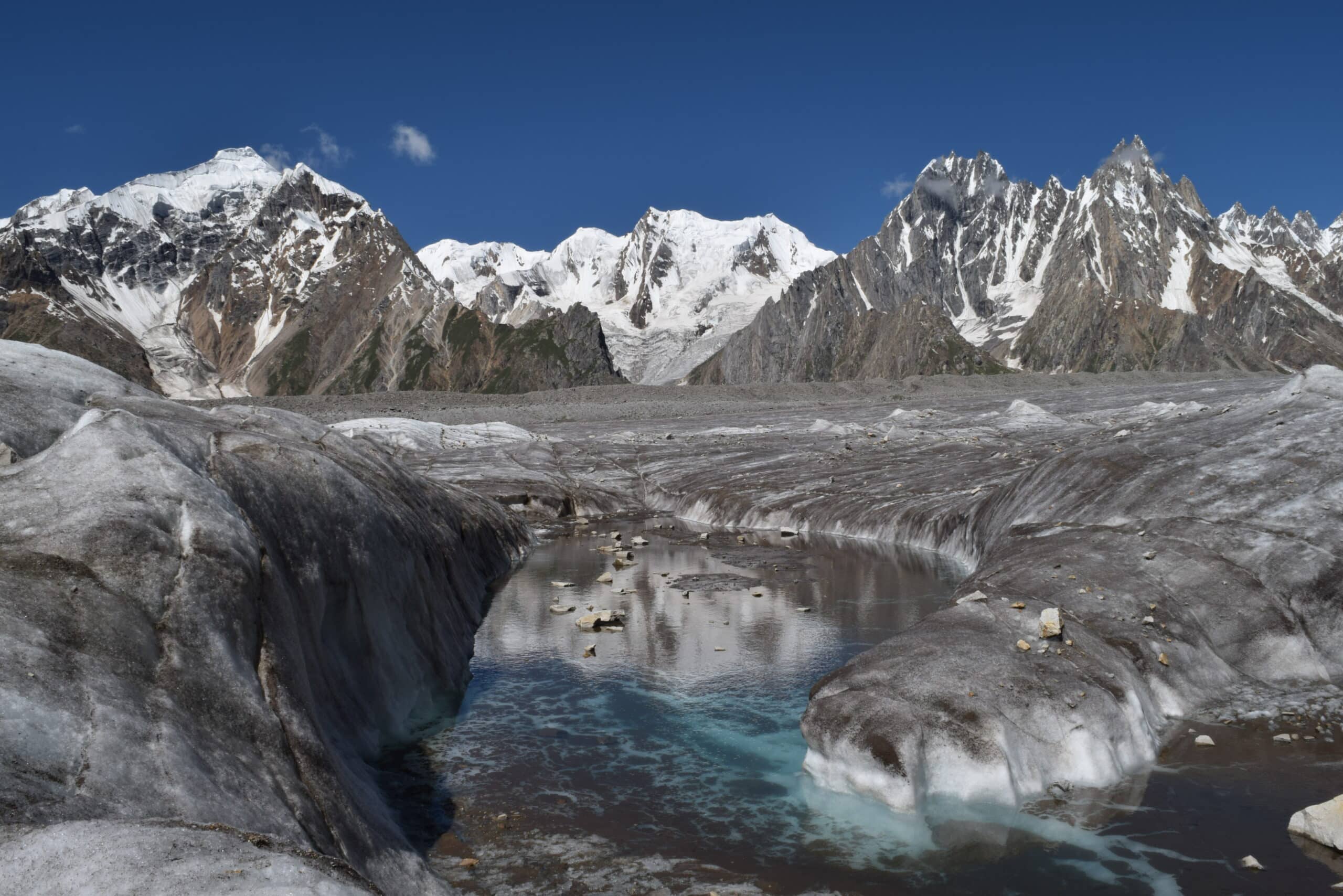
Pakistan's diverse topography positions it at the epicenter of climate vulnerabilities. The northern regions, home to some of the world's largest glaciers outside the polar areas, are witnessing accelerated melting due to rising global temperatures. This glacial retreat not only contributes to sea-level rise but also triggers glacial lake outburst floods (GLOFs), which have become more frequent and destructive. In the Himalayas and Karakoram ranges, warmer conditions are causing glaciers to recede at alarming rates, threatening the freshwater supply for millions.
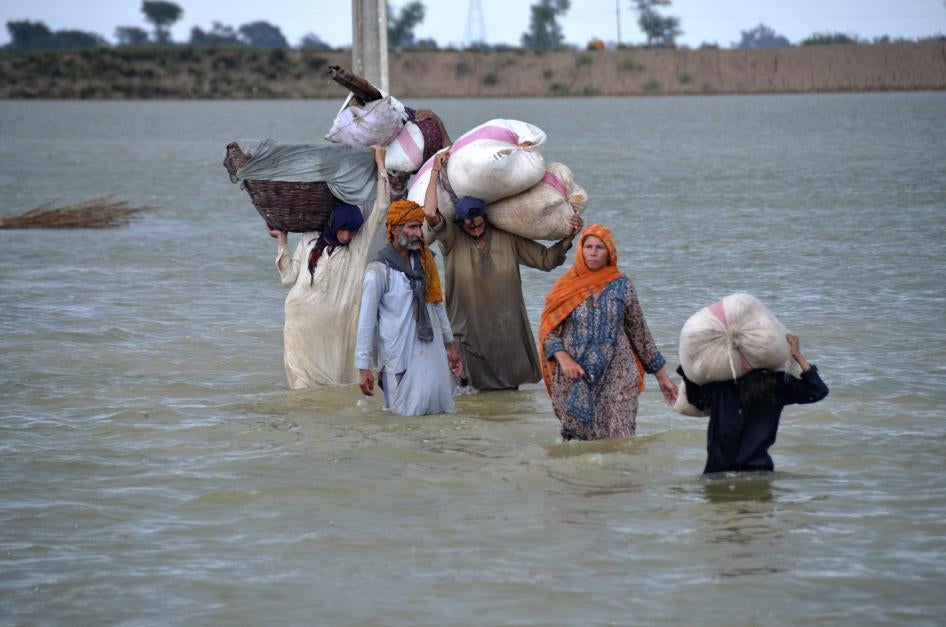
Conversely, the southern and central plains face intensified monsoon seasons, leading to catastrophic flooding. The 2025 floods, described as "devastation on repeat," have been worsened by climate change, with warmer atmospheres holding more moisture and resulting in heavier downpours. Pakistan's geography makes it a hotspot for such extreme rainfall, putting it on the front lines of global warming. These events are not new, but their frequency and intensity have surged, with the Thar Desert experiencing severe droughts interspersed with flash floods.
Droughts, another face of this climatic coin, have ravaged arid regions like Balochistan and Sindh. Prolonged dry spells, exacerbated by unpredictable rainfall, have led to water scarcity and crop failures. As climate patterns shift, Pakistan endures successive disasters: floods one season, droughts the next, creating a cycle of destruction that strains resources and resilience.
Impact on Agriculture and Food Security
Agriculture forms the backbone of Pakistan's economy, employing about 42% of the workforce and contributing roughly 19% to GDP. Yet, climate change poses an existential threat to this sector. Rising temperatures and erratic rainfall disrupt crop cycles, leading to reduced yields. Studies indicate that wheat yields could drop by 1-4%, rice by 3-17%, maize by 2-10%, and cotton by 6-18% due to higher temperatures. Heat stress on crops, combined with water shortages, has made farming a "gamble with nature" for many Pakistani farmers.
In irrigated areas, which account for 90% of agricultural production, climate change intensifies water stress. The Indus Basin, vital for irrigation, is under pressure from glacial melt and reduced snowfall, leading to seasonal shortages. Pests and diseases, thriving in warmer conditions, further compound losses. For instance, unpredictable rainfall and extreme weather have disrupted water supplies, degrading soil and increasing pest pressure.

These agricultural disruptions ripple into food security issues. Malnutrition rates could rise as staple crops become scarcer and more expensive. In rural areas, where poverty is rampant, smallholder farmers—many of whom are women—bear the heaviest burden, facing debt cycles from repeated crop failures. By 2050, without adaptation, these impacts could exacerbate hunger for millions.
Water Resources Under Siege
Water scarcity is perhaps the most pressing climate-related challenge in Pakistan. Once water-abundant, the country now teeters on the edge of "water scarce" status, with per capita availability plummeting from 5,600 cubic meters in 1951 to around 1,000 today. Climate change accelerates this through glacial melting, which initially increases river flows but eventually leads to depletion as ice reserves dwindle.
The Indus River, lifeline for 180 million people, is particularly affected. Rising temperatures cause rapid glacier retreat, heightening flood risks in the short term and drought in the long term. Erratic monsoons and increased evaporation rates further strain groundwater resources, already overexploited. In urban centers like Karachi and Lahore, water shortages lead to social unrest and health crises.
Moreover, transboundary issues with India over shared rivers add geopolitical tension. Climate-induced variability in rainfall patterns disrupts water management, making dams and reservoirs less reliable. Without urgent interventions like efficient irrigation and rainwater harvesting, Pakistan risks severe water conflicts and ecosystem collapse.
Health and Social Implications
The human cost of climate change in Pakistan is profound, particularly on health. Extreme heatwaves, projected to increase in frequency, pose risks of heatstroke and dehydration, with the IPCC estimating up to 250,000 additional climate-related deaths globally annually. In Pakistan, unseasonal rains and smog contribute to vector-borne diseases like dengue, malaria, and Zika, as well as waterborne illnesses such as typhoid.
Vulnerable groups—children, the elderly, and women—suffer most. A 2025 Amnesty International report highlights how climate disasters increase death and disease risks among these populations, with healthcare systems overwhelmed. Mental health issues, including eco-anxiety, are rising, especially among youth affected by displacement.
Socially, climate change drives migration. Floods and droughts displace communities, leading to urban slums and resource strains. Women, often responsible for water collection and farming, face gender-specific vulnerabilities, including increased maternal health risks during disasters. This migration could fuel conflicts over resources, destabilizing society.
Economic Consequences
Economically, Pakistan faces staggering losses from climate change. The World Bank warns that without adaptation, GDP could shrink by 18-20% by 2050. Agriculture disruptions alone threaten exports like cotton and rice, while infrastructure damage from floods—estimated at billions in 2022 and recurring in 2025—strains budgets.
Health expenses rise with disease outbreaks, and energy sectors suffer from hydropower variability. Industry emissions, at 38% of total, must be curbed, but transition costs are high. Overall, climate risks hinder development, perpetuating poverty cycles.
Government Response and Mitigation Strategies
Pakistan's government has responded with policies like the National Climate Change Policy 2021, focusing on adaptation, mitigation, and resilience. Initiatives include the Billion Tree Tsunami for reforestation and the updated Nationally Determined Contributions (NDC 3.0) aiming for reduced emissions. The Recharge Pakistan project promotes ecosystem-based flood management.
However, implementation lags due to funding shortages and political challenges. International support is crucial, as Pakistan advocates for climate justice at global forums. Strategies like climate-smart agriculture, renewable energy adoption, and disaster preparedness are essential.
Conclusion
Climate change's impact on Pakistan is a microcosm of global inequities: a low-emitter suffering high consequences. From agricultural ruin to health crises and economic setbacks, the threats are immediate and intensifying. As 2025's disasters underscore, delay is not an option. Pakistan must bolster domestic efforts while demanding international accountability. Collective action—through policy, innovation, and solidarity—can forge a resilient future. For Pakistan and the world, the time to act is now, lest we all face the floods of inaction.



0 Comments
NO SPAM NO PROMOTION... Thanks