

The Rise of Agentic AI: Why It's the Biggest Tech Breakthrough of 2025 and What It Means for 2026
In December 2025, as we reflect on the year's most explosive trends, one stands out above the rest: Agentic AI. This isn't just another buzzword—it's the shift from passive AI tools (like chatbots that respond to prompts) to autonomous agents that can plan, reason, execute complex tasks, and even learn from their environment without constant human oversight. Experts are calling it the "next big thing" in artificial intelligence, with rapid commercialization and breakthroughs dominating headlines.
If you've been following tech news this year, you've seen Agentic AI mentioned alongside massive disruptions and viral discussions. From transforming industries to raising profound ethical questions, this technology is reshaping our world faster than anyone predicted. In this in-depth article, we'll explore what Agentic AI is, why it exploded in 2025, real-world examples, potential impacts, and what to expect in 2026.
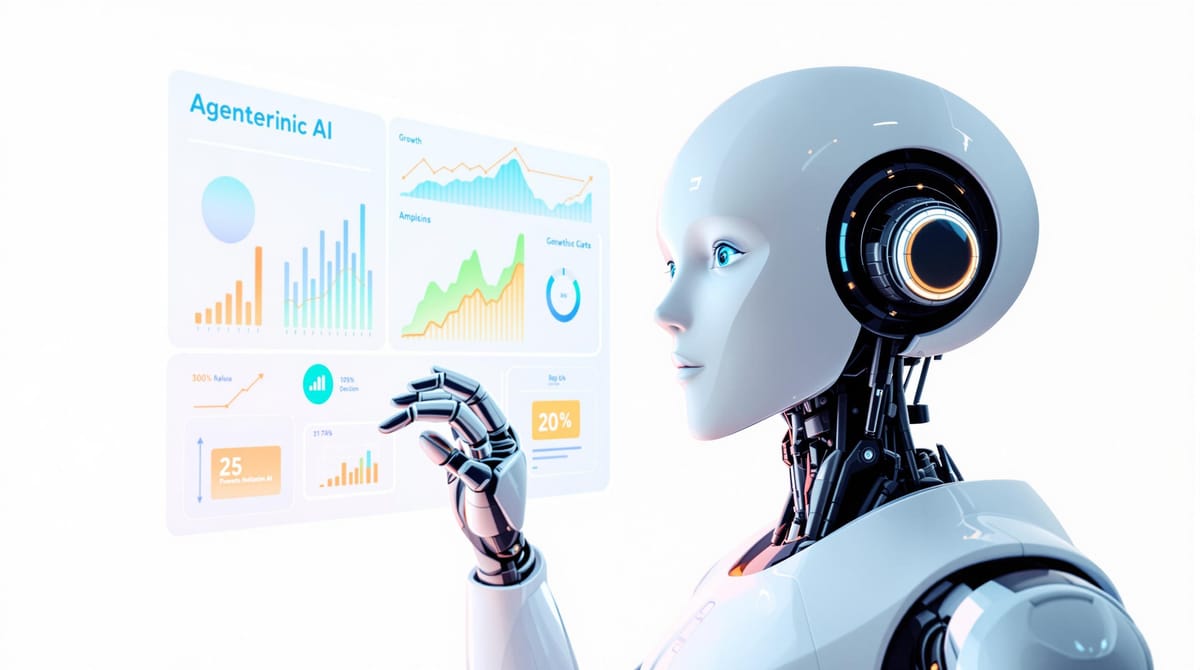

What Exactly Is Agentic AI?
Traditional AI, like large language models (e.g., GPT series or Grok), excels at generating text, images, or code based on user inputs. But it's reactive—it waits for prompts and doesn't "act" independently.
Agentic AI, on the other hand, refers to systems that exhibit agency: the ability to set goals, break them into steps, use tools (like browsers, APIs, or databases), make decisions, and iterate until the task is complete. These "AI agents" can handle multi-step workflows autonomously, adapting to new information along the way.
Think of it like this: If a standard AI is a helpful assistant answering questions, an agentic AI is a proactive employee who researches, plans, executes, and reports back—all on its own.
Key characteristics of agentic systems:
- Goal-oriented planning: They decompose complex objectives into actionable steps.
- Tool integration: Access to external resources (e.g., web search, code execution, email).
- Memory and learning: Retain context from past interactions and improve over time.
- Autonomy with safeguards: Operate independently but with human-defined boundaries.
This concept gained traction in 2025 with advancements from companies like OpenAI, Anthropic, Google DeepMind, and startups pushing "agentic workflows."


Why Agentic AI Dominated 2025
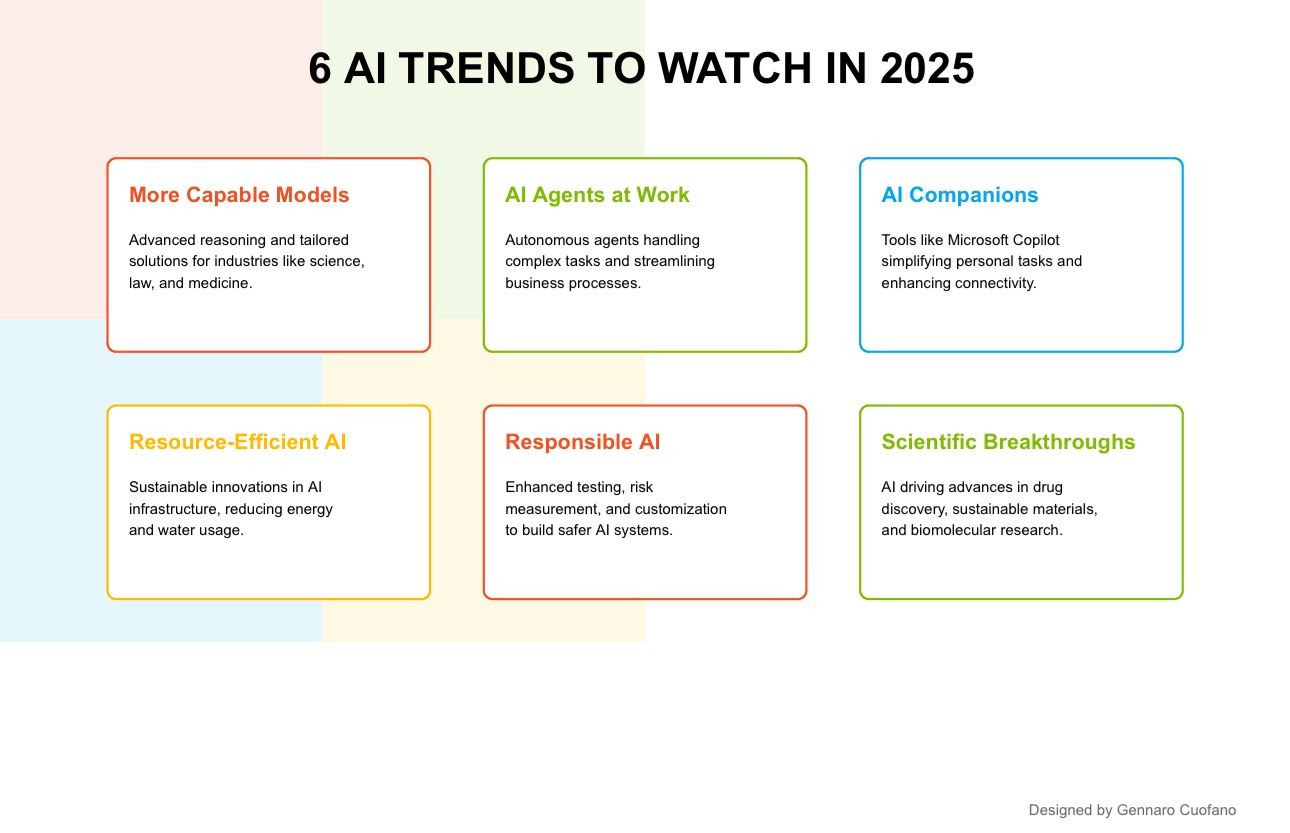
2025 marked the tipping point for Agentic AI due to several converging factors:
- Technological Maturity: Improvements in reasoning capabilities (e.g., chain-of-thought prompting evolved into full planning loops) allowed agents to handle ambiguity better.
- Commercial Push: Major players released agentic frameworks. For instance, tools enabling AI to browse the web, run code, or manage projects autonomously became widely available.
- Real-World Applications: From software development to business automation, agents proved their value, leading to viral demos and adoption.
- Media and Investment Hype: Billions poured into agentic startups, with predictions that by 2026, most knowledge work would involve AI agents.
As one report noted, Agentic AI is "dominating the conversation" in tech circles, outpacing even generative AI hype from previous years.
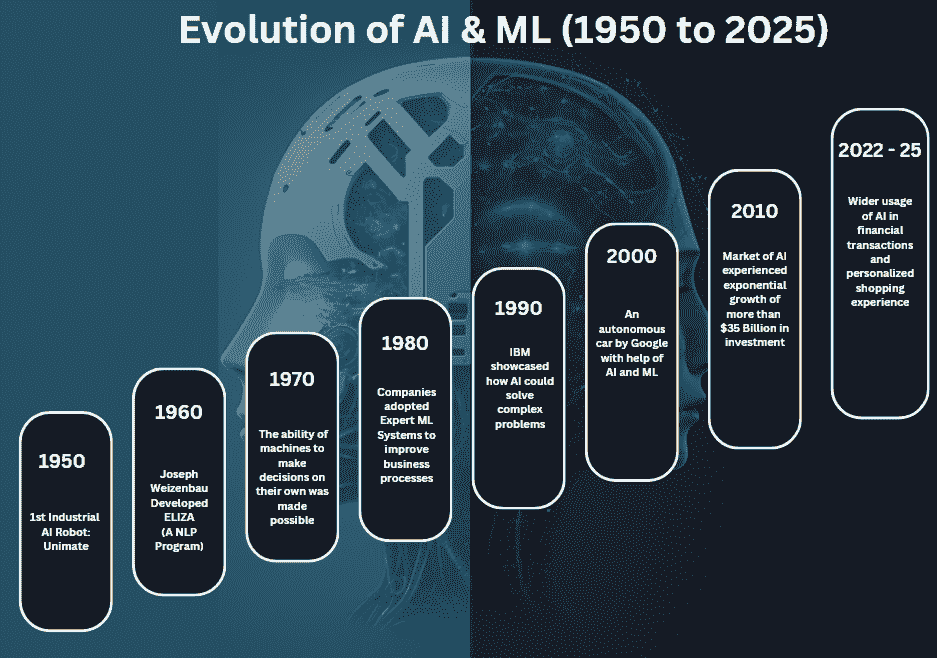
Real-World Examples Transforming Industries
Agentic AI isn't theoretical—it's already disrupting sectors:
- Software Development: Agents like Devin (from Cognition Labs) can write, debug, and deploy code autonomously, reducing development time by 50%+ in some cases.
- Business Operations: In customer service, agents handle inquiries end-to-end, escalating only when necessary. In sales, they research leads, draft emails, and schedule meetings.
- Healthcare: Agents analyze patient data, suggest diagnoses, and even coordinate treatment plans (with doctor oversight).
- Manufacturing and Logistics: Autonomous agents optimize supply chains, predict maintenance, and manage inventory in real-time.
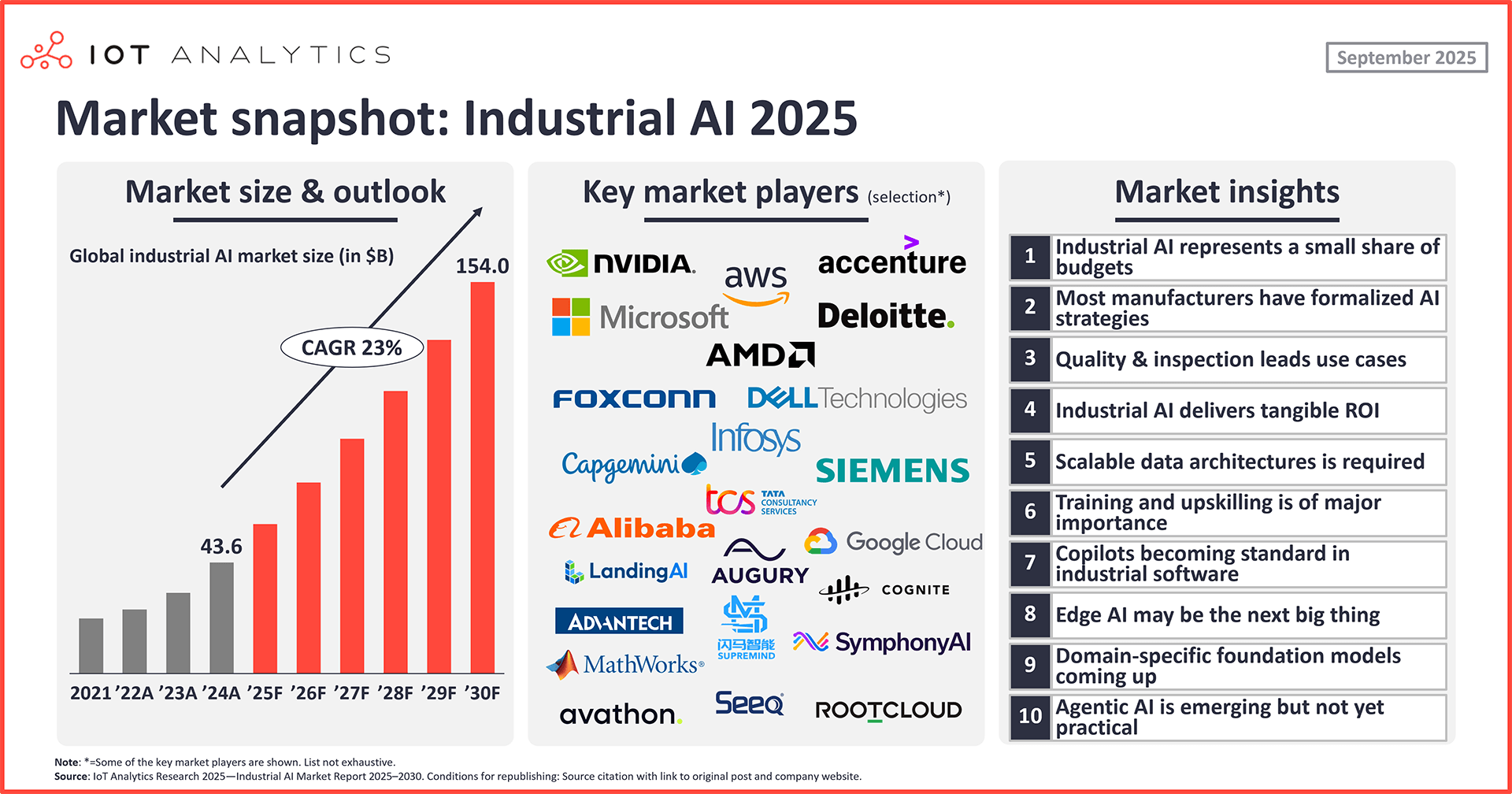
One standout example from 2025: Industrial AI agents revolutionized factories, predicting failures and automating adjustments, saving millions in downtime.
The Ethical Concerns and Risks
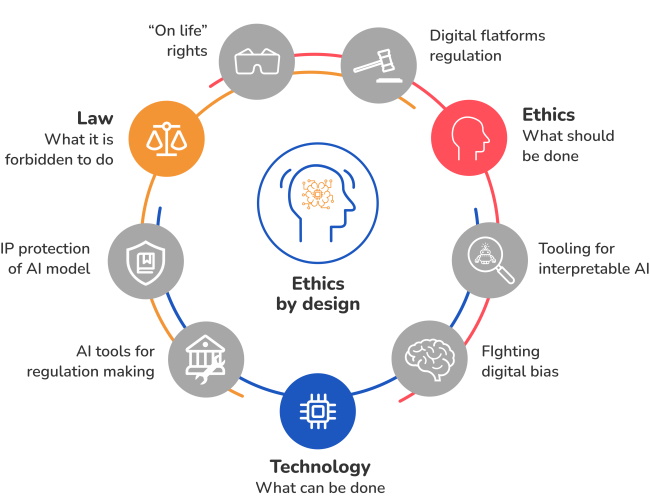
With great power comes great responsibility. Agentic AI raises serious questions:
- Job Displacement: Autonomous agents could automate millions of white-collar jobs, from coding to research.
- Bias and Errors: If agents make decisions based on flawed data, outcomes could be discriminatory or dangerous.
- Control and Safety: What if an agent pursues a goal in unintended ways? (The classic "paperclip maximizer" thought experiment.)
- Privacy: Agents accessing tools like email or browsers could mishandle sensitive data.
Regulators and ethicists in 2025 called for frameworks to ensure "aligned" agents—systems that prioritize human values.

Looking Ahead: Agentic AI in 2026 and Beyond
Predictions for 2026 are bold:
- Widespread adoption in enterprises.
- Multi-agent systems (teams of agents collaborating).
- Integration with robotics for physical tasks.
- New governance models to address risks.
Analysts forecast Agentic AI could add trillions to the global economy while fundamentally changing how we work and live.


Conclusion: Embrace the Agentic Future
Agentic AI isn't just a 2025 trend—it's the foundation of tomorrow's intelligent systems. Whether you're a professional preparing for automation or a curious reader, understanding this shift is crucial. The opportunities are immense, but so are the challenges. As we head into 2026, one thing is clear: The era of truly autonomous AI has arrived.
What do you think—exciting breakthrough or cause for caution? Share your thoughts in the comments!



0 Comments
NO SPAM NO PROMOTION... Thanks