

Top AI Trends to Watch in 2026: How Artificial Intelligence is Reshaping the World
As we step into 2026, artificial intelligence (AI) is no longer just a futuristic concept—it's a core driver of innovation across industries, economies, and daily life. From agentic systems that act autonomously to breakthroughs in scientific research, AI is evolving from a tool into a true collaborator. This year marks a shift toward real-world impact, with organizations moving beyond experimentation to scalable, responsible adoption.

In this essay, we explore the top AI trends for 2026, backed by insights from leading experts and organizations. These developments are set to influence jobs, creativity, governance, and global competition.
1. The Rise of Agentic AI: Digital Coworkers and Multi-Agent Systems
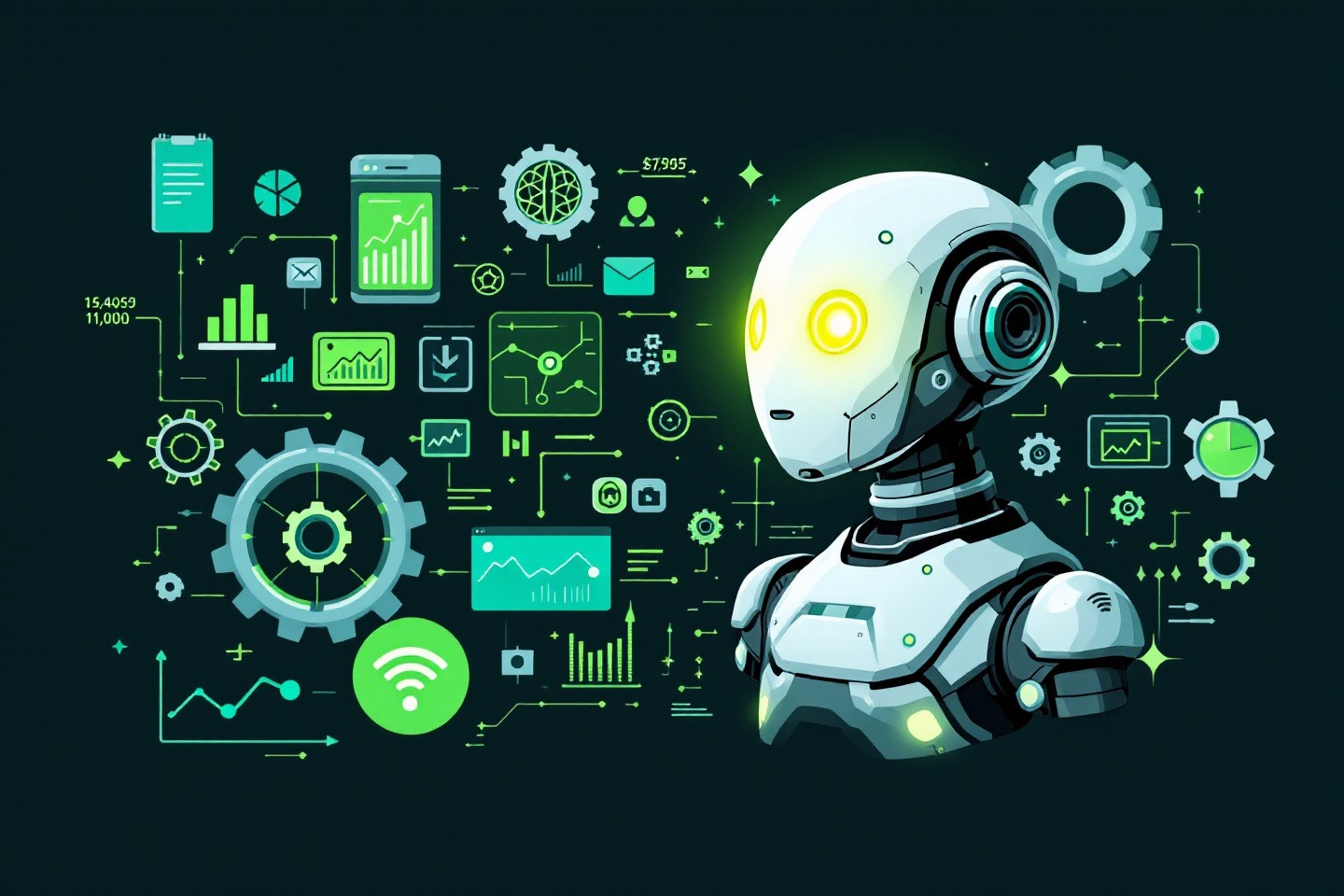
One of the most prominent trends is the emergence of agentic AI—autonomous agents that don't just respond to queries but take initiative, make decisions, and collaborate on complex tasks. In 2026, AI agents are becoming "digital colleagues," handling workflows while humans focus on strategy and creativity.
Multi-agent systems, where multiple AI agents work together, are gaining traction in business automation, marketing, and operations. Gartner predicts that by 2026, 40% of enterprise applications will use task-specific AI agents.
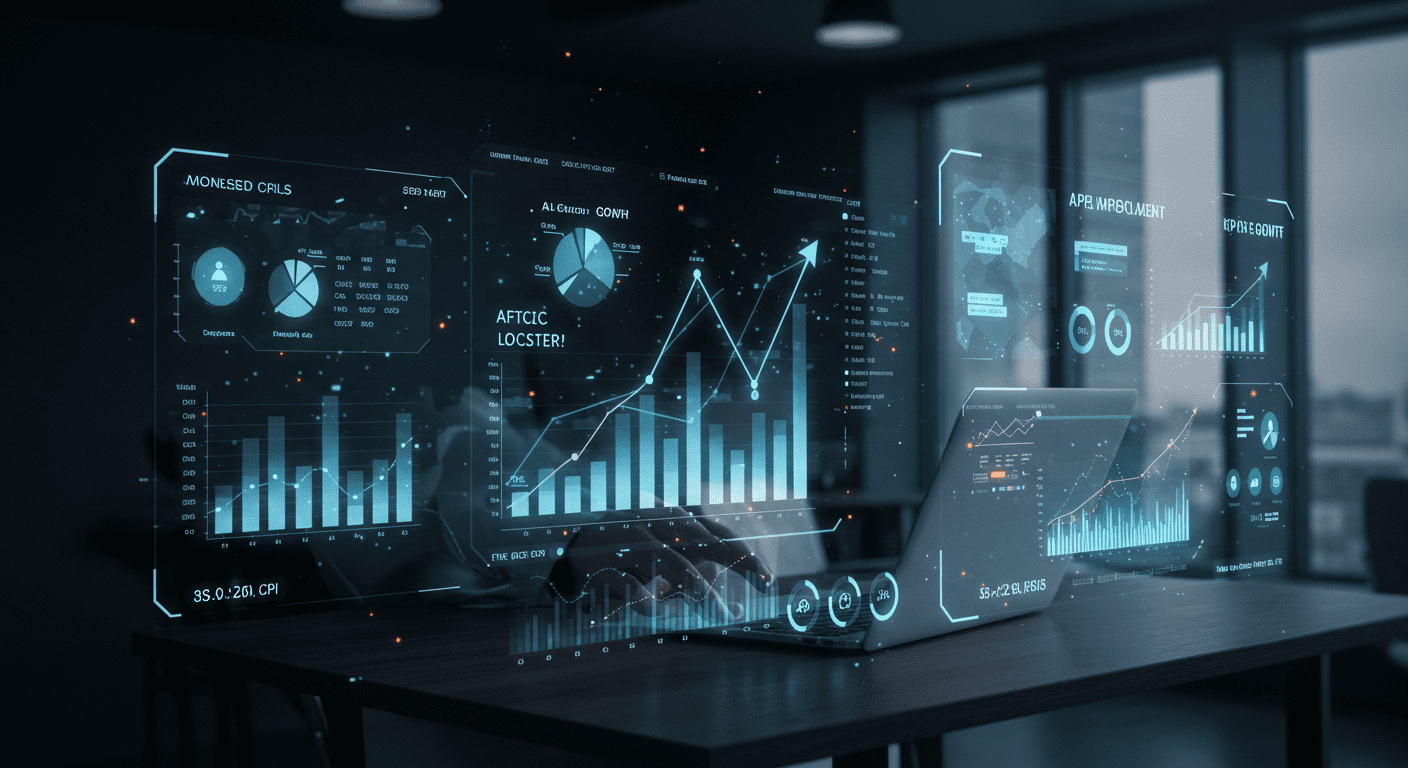
This shift could boost productivity dramatically but also raises questions about job roles and oversight.
2. Multimodal AI: Understanding Text, Images, Video, and More
Multimodal models that process multiple data types simultaneously are maturing rapidly. These systems enable richer interactions, such as analyzing videos, generating content across formats, and improving accessibility in fields like education and healthcare.
Expect more applications in sports analytics, content creation, and real-time decision-making.
3. Open-Source AI and Localized Models Gain Momentum
The open-source ecosystem is exploding, with smaller, domain-specific models outperforming larger ones in specialized tasks. Companies like IBM and others are pushing modular, sovereign AI to address data privacy and geopolitical concerns.
Chinese open models are influencing global apps, narrowing the gap with Western frontiers.
4. AI as a Partner in Scientific Discovery
AI is transitioning from summarizing research to actively contributing to breakthroughs in physics, chemistry, and biology. Microsoft Research highlights how AI will accelerate discoveries in climate modeling and materials science.
This collaborative role could solve long-standing global challenges faster than ever.
5. Focus on AI Governance, Security, and Ethical Deployment
As AI scales, so do risks. 2026 will see stronger emphasis on governance, model monitoring, and security for agentic systems. Organizations are adopting dual-track strategies for compliance amid fragmented global regulations.
Some experts predict a partial "deflation" of the AI hype bubble, leading to more measured investments and economic adjustments.
6. AI in the Workplace: From Tools to Infrastructure
AI is embedding into core business processes, with "AI factories" and infrastructure investments surging. HR trends include AI-driven talent management and certification programs.
Voice interfaces and natural language interactions will make AI more intuitive, potentially succeeding smartphones in some contexts.
Conclusion: Preparing for an AI-Driven Future
2026 is the year AI moves from promise to pervasive reality. While opportunities for innovation and efficiency abound, challenges like ethical governance, job displacement, and equitable access remain critical.
Staying informed and adaptable will be key. For more on technology's societal impact, check our related essay: The Impact of Technology on Modern Society. Explore more essays on our homepage.
What are your thoughts on these AI trends? Share in the comments below!
This post was written for educational purposes and draws from publicly available expert analyses as of January 2026.



0 Comments
NO SPAM NO PROMOTION... Thanks