

The Role of Critical Thinking in Essay Writing
In today's fast-paced academic and professional world, writing a good essay goes far beyond stringing words together. A truly outstanding essay demonstrates depth, originality, and sound reasoning. At the heart of this lies critical thinking — the ability to question assumptions, evaluate evidence, analyze arguments, and form well-supported conclusions.
Whether you're a student tackling college assignments or a professional crafting persuasive reports, mastering critical thinking can transform your essay writing from average to exceptional. In this post, we'll explore what critical thinking really means in the context of essay writing, why it's essential, and practical ways to apply and improve it.
What Is Critical Thinking?
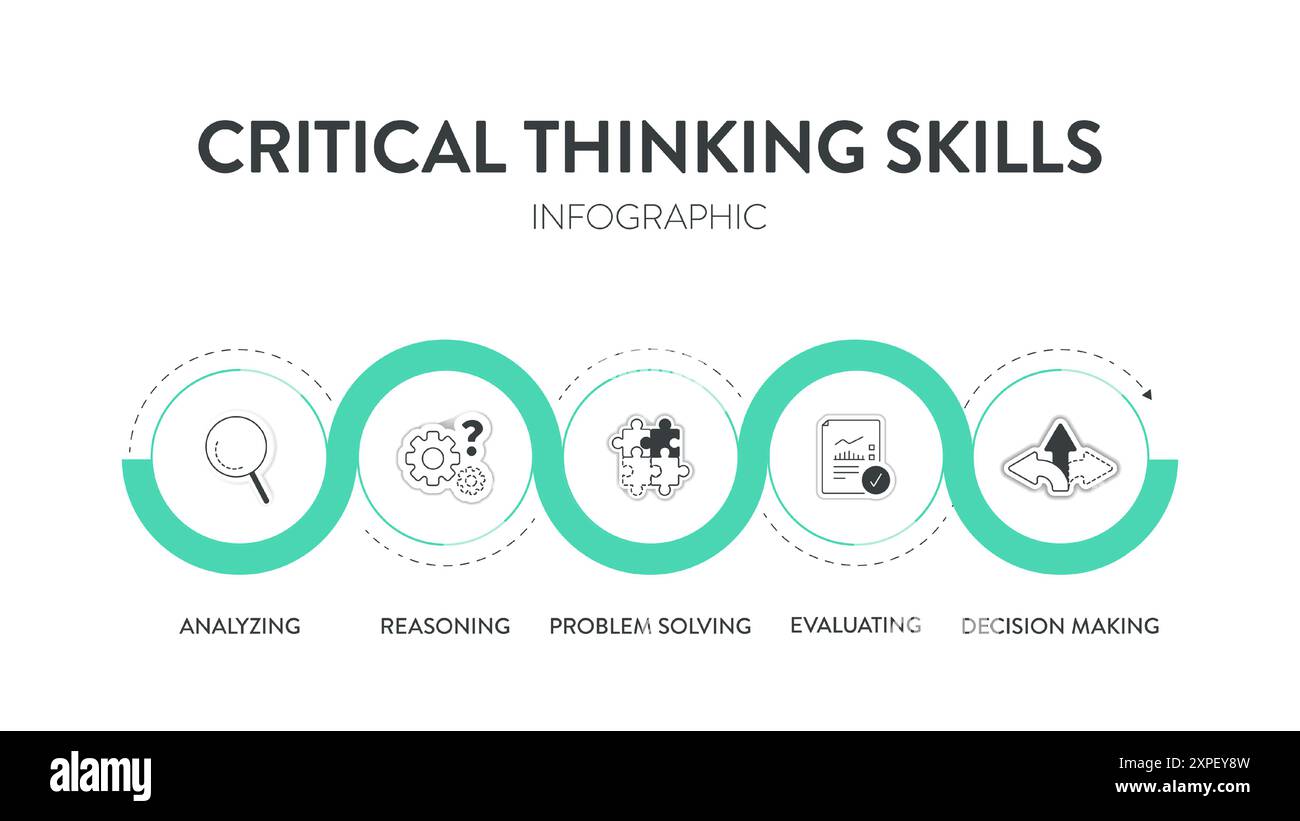
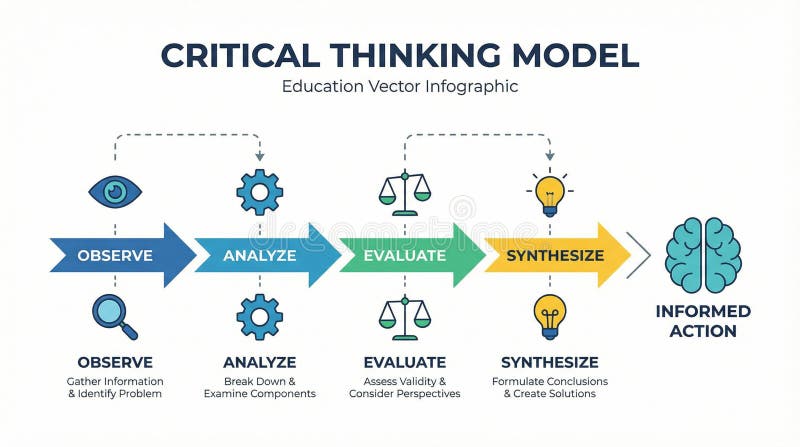
Critical thinking is the disciplined process of actively and skillfully conceptualizing, applying, analyzing, synthesizing, and evaluating information gathered from observation, experience, reflection, reasoning, or communication. It involves questioning sources, identifying biases, and weighing evidence logically rather than accepting information at face value.
In essay writing, critical thinking shifts you from mere description (summarizing what others have said) to analysis and argumentation (evaluating ideas, comparing viewpoints, and building your own reasoned position).
Why Critical Thinking Matters in Essay Writing
Critical thinking elevates your essays in several key ways:
- Stronger, More Persuasive Arguments Instead of stating opinions, you back claims with evaluated evidence. You anticipate counterarguments and address them, making your position more convincing.
- Deeper Analysis and Insight Critical thinkers go beyond surface-level ideas. They identify assumptions, spot logical fallacies, and explore implications, leading to more sophisticated discussions.
- Better Source Evaluation Academic essays rely on credible sources. Critical thinking helps you assess reliability, relevance, and potential biases in research materials.
- Improved Clarity and Structure When you think critically, your ideas connect logically, creating coherent, flowing essays that are easy to follow.
- Enhanced Problem-Solving Essay writing often involves tackling complex topics. Critical thinking equips you to break down issues, consider multiple perspectives, and arrive at balanced conclusions.
Without critical thinking, essays risk becoming descriptive summaries or unsupported personal rants. With it, they become thoughtful contributions to academic conversations.
How Critical Thinking Enhances Each Stage of Essay Writing
Critical thinking isn't an add-on — it runs through the entire writing process.
- Prewriting and Research Question the essay prompt: What assumptions does it make? What key debates exist? As you research, evaluate sources critically: Who authored this? What evidence supports their claims? Are there conflicts of interest?
- Thesis Development A strong thesis is arguable and specific. Critical thinking helps you refine broad ideas into focused, defensible claims.
- Outlining and Structuring Organize ideas logically. Use critical thinking to ensure each paragraph builds on the last and supports the overall argument.


- Drafting Body Paragraphs For each point, analyze evidence: Explain how it supports your claim, evaluate its strengths/weaknesses, and link it back to your thesis.
- Addressing Counterarguments Acknowledge opposing views fairly, then refute them with reasoned evidence — a hallmark of critical writing.
- Revising and Editing Re-read critically: Does the argument hold up? Are there logical gaps? Is the evidence balanced?
Practical Tips to Apply Critical Thinking in Your Essays
- Ask Probing Questions While reading sources or drafting: What is the main claim? What evidence supports it? What might be missing? How does this compare to other views?
- Use Frameworks Like Bloom's Taxonomy Move beyond remembering and understanding to applying, analyzing, evaluating, and creating.
- Practice Active Reading Annotate texts, note biases, and summarize arguments in your own words.
- Brainstorm with Mind Maps Visualize connections between ideas to spot relationships and gaps.
- Seek Feedback Share drafts with peers or use writing centers to get external critical perspectives.
- Reflect on Your Own Biases Regularly question your assumptions to ensure objectivity.


Final Thoughts
Critical thinking is the engine that drives excellent essay writing. It turns basic assignments into opportunities for genuine intellectual growth, helping you develop clearer reasoning, stronger arguments, and more insightful conclusions.
By consciously applying critical thinking at every stage — from research to revision — you'll produce essays that not only meet academic standards but stand out for their depth and clarity.
Ready to level up your writing? Start incorporating these strategies in your next essay. Your arguments will be sharper, your analysis deeper, and your grades (or professional impact) will reflect the difference.
What are your biggest challenges with critical thinking in essay writing? Share in the comments below!
For more tips on academic writing, check out our other posts like How to Structure an Argumentative Essay here on essays2.blogspot.com.
Further reading:



0 Comments
NO SPAM NO PROMOTION... Thanks