

The Wonders of Modern Science
In today's fast-paced world, where innovation seems to unfold at the speed of light, the wonders of modern science stand as a testament to human ingenuity and curiosity. From the depths of the ocean to the vast expanse of outer space, science has unlocked mysteries that our ancestors could only dream of. Modern science isn't just about complex equations or sterile labs; it's about transforming lives, solving global challenges, and pushing the boundaries of what's possible. As we delve into this topic, we'll explore how advancements in various fields have reshaped our reality, making the impossible routine. Whether it's curing diseases that once plagued humanity or connecting people across continents in an instant, the wonders of modern science continue to inspire awe and drive progress.
This essay will journey through key areas of scientific achievement, highlighting breakthroughs that have revolutionized medicine, technology, space exploration, environmental sustainability, and artificial intelligence. By examining these developments, we can appreciate not only what has been accomplished but also the potential for future innovations that could further elevate our existence.
Revolutionizing Healthcare: Medical Marvels of the 21st Century
One of the most profound wonders of modern science lies in the field of medicine, where breakthroughs have extended human lifespan and improved quality of life dramatically. Gone are the days when diseases like polio or smallpox ravaged populations; vaccines and antibiotics have turned the tide against infectious threats.
Consider the advent of CRISPR-Cas9 gene editing technology, a tool that allows scientists to precisely alter DNA sequences. This innovation has opened doors to treating genetic disorders at their root cause, such as sickle cell anemia or cystic fibrosis. Imagine a world where inherited diseases are edited out before they manifest – that's the promise of modern genetic engineering.
Moreover, advancements in medical imaging and robotics have transformed surgeries. Robotic-assisted procedures, like those using the da Vinci Surgical System, enable surgeons to perform minimally invasive operations with unparalleled precision, reducing recovery times and risks. These technologies aren't just for high-profile hospitals; they're becoming more accessible, democratizing quality healthcare.
To visualize the impact, here's an image showcasing cutting-edge medical devices that exemplify these innovations:

Another breakthrough is in regenerative medicine, where stem cell therapy is being used to repair damaged tissues and organs. Scientists have successfully grown mini-organs, or organoids, in labs, paving the way for personalized medicine where treatments are tailored to an individual's genetic makeup. This isn't science fiction; clinical trials are already underway for conditions like Parkinson's disease and spinal cord injuries.
The COVID-19 pandemic accelerated vaccine development, with mRNA vaccines from Pfizer and Moderna marking a new era in immunology. These vaccines were developed in record time, saving millions of lives and demonstrating how modern science can respond swiftly to global crises. Looking ahead, similar platforms could tackle cancer or HIV more effectively.
In essence, the wonders of modern science in healthcare have shifted our approach from reactive treatment to proactive prevention, ensuring longer, healthier lives for billions.
Connecting the World: The Evolution of Communication Technology
Communication has always been the backbone of human society, but modern science has elevated it to instantaneous, global levels. The invention of the internet, often hailed as one of the greatest scientific achievements, has connected over 5 billion people worldwide, fostering knowledge exchange and economic growth.
From the humble beginnings of telegraphs to today's 5G networks, communication technology has evolved exponentially. Smartphones, powered by advanced microprocessors, serve as pocket-sized computers, enabling video calls, social media, and real-time navigation via GPS. This seamless connectivity has revolutionized industries, from e-commerce to telemedicine.
Here's a visual representation of how communication tools have progressed over time:

Quantum communication is another frontier, promising unhackable data transmission through entangled particles. Experiments in China have already demonstrated satellite-based quantum key distribution over thousands of kilometers. This could secure global communications against cyber threats, a critical need in our digital age.
Socially, these advancements have bridged cultural divides, allowing real-time collaboration on scientific projects across borders. Platforms like Zoom have kept families connected during lockdowns, underscoring the human element in technological wonders.
Yet, with great power comes responsibility. Modern science also addresses challenges like digital divides and privacy concerns, ensuring equitable access and ethical use of these technologies.
Reaching for the Stars: Breakthroughs in Space Exploration
Space exploration embodies the exploratory spirit of modern science, turning science fiction into reality. The International Space Station (ISS), a collaborative marvel orbiting Earth, has hosted continuous human presence for over two decades, yielding breakthroughs in microgravity research.
Key achievements include the Mars rovers, like Perseverance, which have uncovered evidence of ancient water on the Red Planet, hinting at past life. The James Webb Space Telescope, launched in 2021, peers into the universe's infancy, revealing galaxies formed shortly after the Big Bang.
Behold the awe-inspiring feats of space missions:
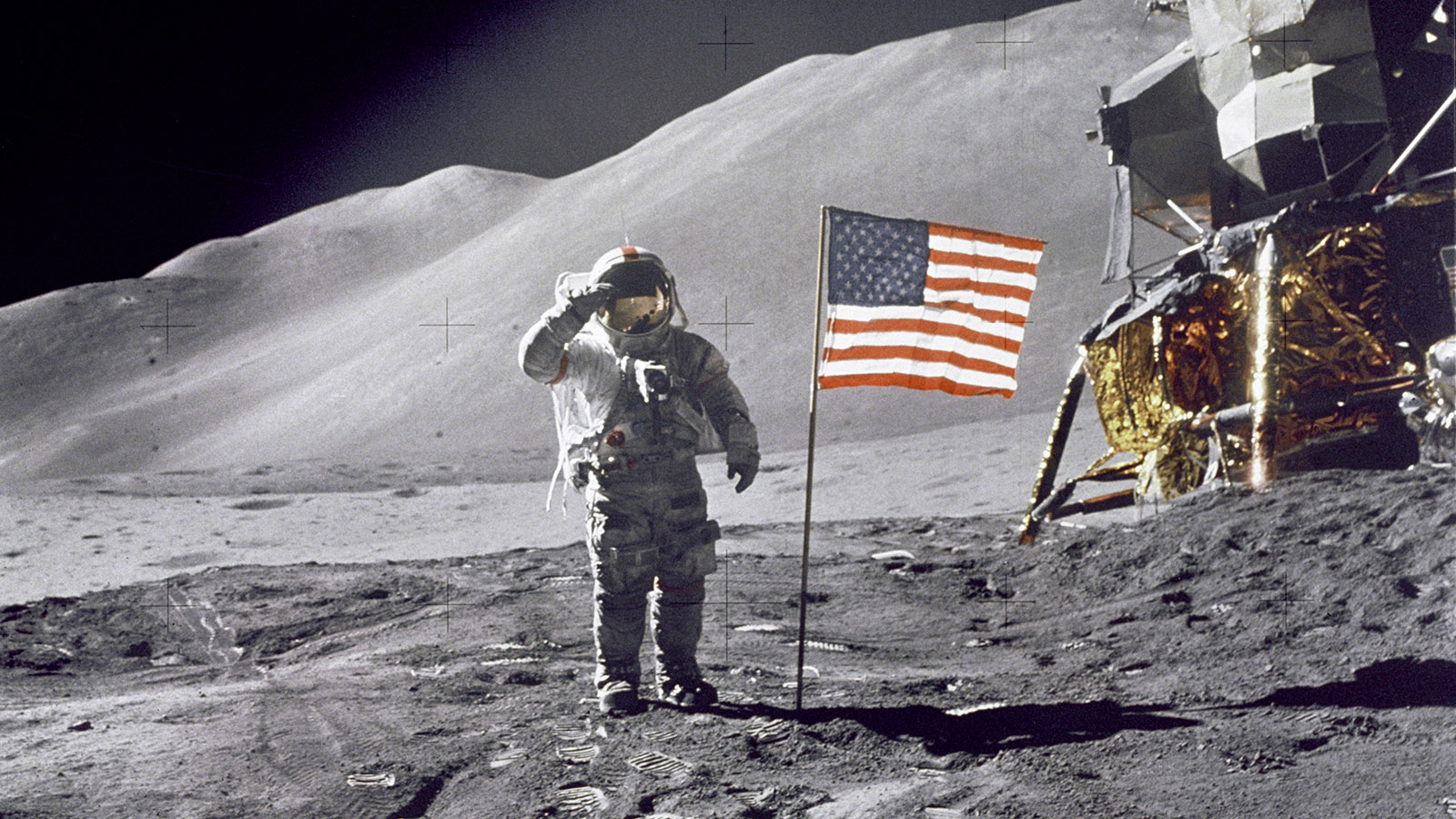
Private companies like SpaceX have democratized space travel with reusable rockets, reducing costs and enabling ambitious plans like Mars colonization. These efforts not only expand our knowledge but also spur innovations on Earth, such as advanced materials and satellite technologies for weather forecasting.
Looking forward, missions to asteroids and moons like Europa could reveal extraterrestrial life, fundamentally altering our place in the cosmos. The wonders of modern science in space remind us that our curiosity knows no bounds.
Safeguarding Our Planet: Environmental Science and Sustainability
Amid climate change concerns, modern science offers hope through sustainable solutions. Renewable energy sources, like solar and wind power, have become viable alternatives to fossil fuels, thanks to advancements in photovoltaic cells and turbine efficiency.
Carbon capture technologies and bioengineering are combating greenhouse gases, with scientists developing microbes that convert CO2 into useful products. Precision agriculture, using drones and AI, optimizes resource use, reducing environmental impact while boosting yields.
Illustrating the shift to green energy:

Ocean cleanup initiatives, powered by autonomous vessels, address plastic pollution, preserving marine ecosystems. These efforts highlight how science integrates with policy for planetary health.
By harnessing nature's principles, modern science ensures a sustainable future, balancing progress with preservation.
The Dawn of Intelligence: Artificial Intelligence and Computing
Artificial intelligence (AI) represents the pinnacle of modern scientific wonders, mimicking human cognition to solve complex problems. Machine learning algorithms power everything from recommendation systems to autonomous vehicles.
Deep learning has enabled breakthroughs in natural language processing, as seen in models like GPT, which generate human-like text. In healthcare, AI analyzes medical images faster and more accurately than humans, aiding early disease detection.
A glimpse into the world of AI:

Quantum computing promises exponential speedups for simulations, revolutionizing drug discovery and cryptography. Ethical AI development ensures these tools benefit society without bias.
AI's integration into daily life underscores modern science's role in augmenting human potential.
Conclusion: Embracing the Future of Scientific Wonders
The wonders of modern science are not mere achievements; they are the building blocks of a brighter tomorrow. From healing the sick to exploring distant worlds, these advancements reflect our collective pursuit of knowledge. As we stand on the cusp of even greater discoveries – perhaps fusion energy or interstellar travel – it's crucial to foster scientific education and ethical innovation.
In reflecting on these marvels, one can't help but feel optimistic. Modern science isn't just about facts; it's about hope, resilience, and the endless possibilities that lie ahead. For more insights into scientific essays and topics, visit Essays2 Blogspot. Let's continue to celebrate and support the scientists shaping our world.



0 Comments
NO SPAM NO PROMOTION... Thanks